- Home >
- features >
- other-features >
- custom-reports
Custom Reports for Data-Driven Real Estate Market
Most teams don't struggle because they lack data; they struggle because it lives in ten different places and never tells a clear story. In today's data-driven real estate market, the ability to create custom reports isn't a nice-to-have anymore; it's just how serious teams operate. A good CRM platform should let you filter, analyze, and visualize what matters to your business, not just spit out a generic dashboard.
Why Custom Reports Belong at the Center of Your Strategy
- Generic reports tell you what happened. Custom reports tell you why it happened and what to do next.
- With a proper configuration, you gain access to more detailed information on market dynamics, consumer behavior, and sales performance tailored to your own objectives.
- The ability to custom reports means you’re not forced to squeeze your business into someone else’s definition of what is important.
- Precision here isn't a luxury; it's what steers decisions in the right direction instead of a guess dressed up as strategy.
Streamlining Reporting with the Right Data Dashboard
- Pulling lead conversion rates, campaign effectiveness, and inventory levels into one place shouldn't require five logins.
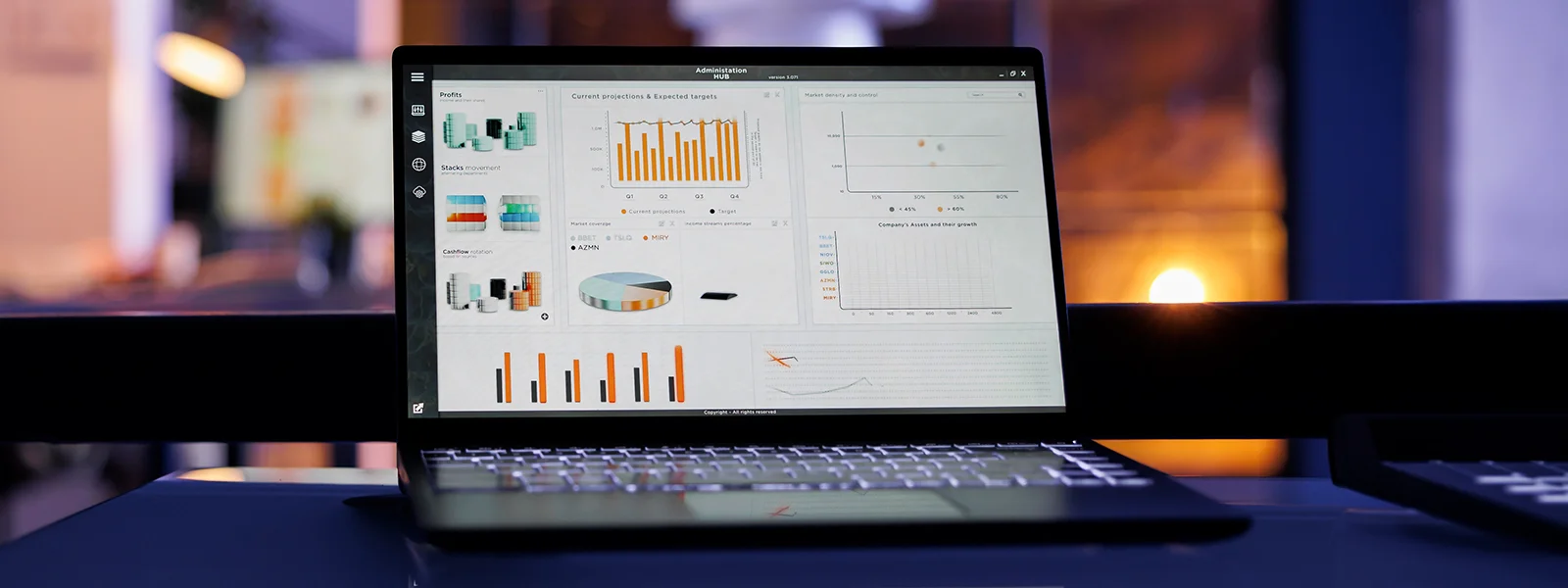
- A well-built custom data dashboard brings all of it into a single, user-friendly view your whole team can use.
- It also makes collaboration easier because everyone is working from the same set of numbers, rather than fighting over whose spreadsheet is correct.
- A cleaner custom data dashboard means faster decisions because no one is looking for the correct number in a folder somewhere.
Innovation in Custom Report Software
- Simple reporting can only take you so far when your business begins growing.
- A good custom report software does more, by building on the basics with advanced analytics and predictive modelling.
- Whether you're forecasting market shifts or measuring a campaign's real impact, good custom report software gives you tools built for that kind of work.
- The best part is reports end up looking as unique as the business generating them, not like a template everyone else is using too.
What a Strong Custom Report Generator Should Actually Do
- Segment with precision – advanced filters let you zero in on the slice of the business you care about.
- Forecast what's coming – a solid custom report generator applies predictive analytics to historical data, so you're planning ahead instead of reacting.
- Measure progress versus goals – real goal-driven reports hold teams accountable rather than just keeping them busy with pointless activities.
- Pull from anywhere – a powerful custom report generator allows you to combine data from both inside and outside of the CRM in a single, cohesive report.
- Don’t wait to act – The best indicators don’t just report numbers; they tell you what your next move should be.
Where a Custom Booking System Fits In
- Tightening all appointments, site visits or consultations teams together, integrating a custom booking system with your reporting system closes a key gap.
- Booking data flows straight into your reports, so you can see who's engaging with a campaign and who's actually showing up.
- That connection turns scheduling from a separate afterthought into part of the same performance picture you're already tracking.
Reporting Tools That Actually Save Time
- Reporting shouldn't eat up half your week just to get a clear picture of where things stand.
- The right custom reporting tools centralize everything, sales progress, engagement, campaign performance, so it's available the moment you need it, not after a scramble.
- Centralizing this way cuts down on duplicated effort, since nobody's rebuilding the same report from scratch every month.
- Good custom reporting tools free your team up to act on insights instead of spending all their time assembling them.
Turning Data Into Strategy
- The real value shows up when you compare current performance against historical trends side by side.
- That contrast helps you identify what's working, what might be slipping, and tweak before little problems become big ones.
- Mixing quantitative numbers with qualitative context provides you with more information than the raw numbers could ever provide.
The Bottom Line
Getting to reporting right isn’t about cranking out more reports—it’s seeing your business clearly enough to act with confidence. When your data, dashboards, and forecasts all speak the same language, decisions stop being a roll of the dice and start being something you can plan around.
FAQs
What is a CRM project report?
A CRM project report provides a comprehensive overview of your business performance and project progress.
- Tracks project performance and sales activities.
- Measures team productivity and customer interactions.
- Combines critical business data into a single report
- Helps detect trends and allows for informed business decisions
How can I create custom reports with the help of CRM software?
All but a few of the custom report software writing tools that are integrated into the CRM will offer the capability to choose which data fields you would like to pull into the report, set conditions, select the layout of the report, and run your report.
Should I use custom reports software for my real estate business?
Custom reports software helps real estate businesses gain actionable insights.
- Monitor lead sources and property inquiries.
- Track sales performance and conversion rates.
- Measure agent productivity and efficiency.
- Analyze customer engagement and activity patterns.
Can I create custom reports on a daily basis?
Certainly, most CRMs that have custom report functionality will be set up to create custom reports on a daily basis. A day-to-day report will keep your tabs on the activity your team, their sales activity and some important numbers for the company.